
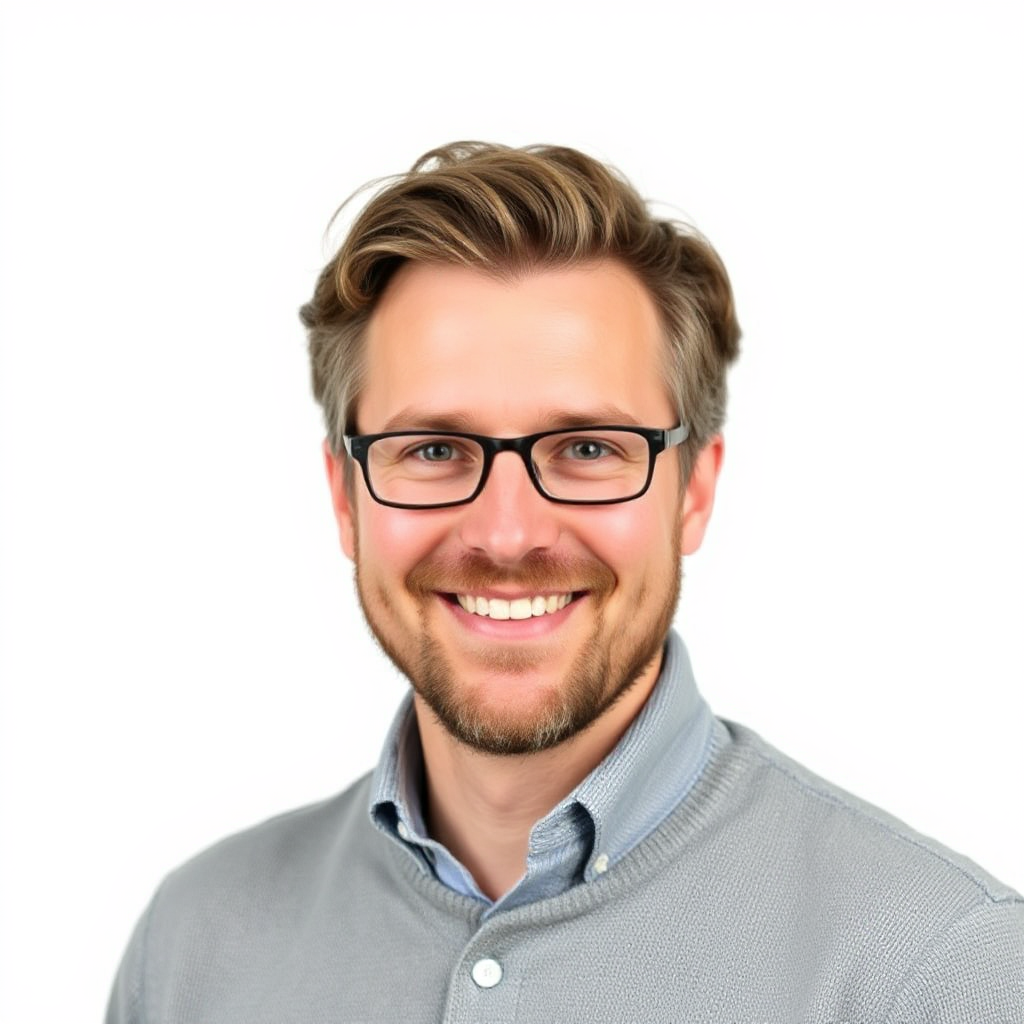
The deceased US vice-president Dick Cheney, who has died at the age of 84, was regarded as arguably the most significant incumbents of the vice-presidency in US history. Whereas countless second-in-commands had to settle for minor or symbolic roles, Cheney held substantial power during the administration of George W Bush, so much so that he was frequently described as the "real president".
Bush objected to that description and stated the relationship was more complex. He pointed out that Cheney was respectful, consistently addressing him in public settings as President, while he called him as Dick. Bush challenged even portrayals of their partnership as a team because it indicated that they were peers. Regardless of these denials, Cheney considered the easygoing president pliable on a whole raft of administrative determinations.
A Aftermath of 9/11
Leading of a faction of neo-cons that featured defence secretary Donald Rumsfeld and Pentagon second-in-command Paul Wolfowitz, he pushed hard for the military intervention of Iraq in 2003 in reaction to the 9/11 attacks on New York and Washington. When of the 9/11 attack, Bush had been taking part in a session at a educational institution in Florida. Whereas Bush traveled to a secret bunker in Nebraska, Cheney took command, commanding the downing of any non-communicating airplanes approaching the US Capitol.
Cheney said the assaults transformed him, making him become determined on retribution. In conjunction with other neo-conservatives, including Rumsfeld and Wolfowitz, he campaigned for a invasion of Afghanistan in an attempt to capture Osama bin Laden. Cheney then strongly advocated for the armed intervention of Iraq, though there was little proof of Saddam Hussein having involvement.
Disputed Actions
He expressed no regrets about the armed intervention, in which an estimated 100,000 Iraqis lost their lives, nor about the harsh treatment of individuals apprehended after 9/11. He stated to CNN in 2015 that the Iraq invasion, which was based on faulty intelligence repeated by Cheney, was the right path to take. "It was the right thing to do then. I had faith back then and I maintain that stance presently."
However even at the time, there were opposing views at a top tier about the botched execution of Iraq. One of the government's own special envoys to the Middle East, General Anthony Zinni (2001-03), was not reappointed from the position. "I witnessed, at a minimum," he wrote later "clear negligence, carelessness, and unaccountability: in the worst case, falsehoods, ineptitude, and corruption."
Broader Context
Cheney was not solely accountable for the Iraq military action. Before 9/11, Wolfowitz had called for similar measures. He had drafted a document outlining situations in which US concerns might be compromised (featuring "availability of crucial commodities, mostly Persian Gulf oil"). Wolfowitz had asserted that "the United States should be prepared to act independently when collective action cannot be arranged," specifically mentioning defense operations against Iraq.
Bush also had arrived in the Oval Office vaguely intent on carrying out what his predecessor had notably declined to do in 1991; remove Saddam. Subsequent to he had been fired by the president, the treasury secretary Paul O'Neill recounted how, at the initial gathering of the National Security Council in January 2001, Bush had declared his plan of diminishing America's engagement in the Middle East dispute and proposed defense operations against Iraq.
Bush carried a personal grudge against Saddam, believing he had been responsible for a conspiracy to kill his predecessor, President George HW Bush, on a trip to Kuwait in 1993. He also resented that one of the most prominent accommodations in Baghdad had a surface artwork with a likeness of his predecessor's countenance that all visitors had to tread upon.
Interrogation Methods
Yet it was Cheney who was one of the most outspoken supporting attacking Iraq, repeatedly citing agency briefings that were either insubstantial or entirely inaccurate. He endorsed what the Bush administration euphemistically referred to as "advanced techniques", the employment of interrogation method and harsh treatment.
Responding to a Senate document in 2014 that determined that no useful information had come from the torture, Cheney disregarded the conclusions as "riddled with crap". He told Fox News: "We asked [the CIA] to implement measures and put in place programmes to apprehend the perpetrators who murdered 3,000 of us on 9/11 and guarantee it never happened again. That was specifically what they did and they earn a lot of credit."
Public Persona
Cheney reveled in nicknames imposed on him by critics such as the dark character and The Prince of Darkness, and by the idea that he was a dark force manipulating Bush. In the journalist's 2013 book about the two, Days of Fire: Bush and Cheney in the White House, Cheney is cited as commenting: "Is it me who is the evil genius in the shadows that remains unseen emerge from his lair? It's a effective way to operate, truthfully."
Commercial Ties
Dispute over his commercial relationships accompanied him during his tenure as vice-president. While he had limited background in commerce but strong connections in security, notably in Saudi Arabia, he was offered a position at Halliburton, one of the world's largest petroleum corporations, in 1995 as leader and CEO.
In 2000 he was selected as Bush's running mate for the White House. Contentiously, during the Iraq war, Halliburton was given US agreements totaling billions.
It significantly boosted his finances. His yearly compensation during his tenure at the firm rose from his $258,394 during his time as defence secretary to over four million. When he resigned in 2000 he had a compensation package totaling more than $20m|twenty
